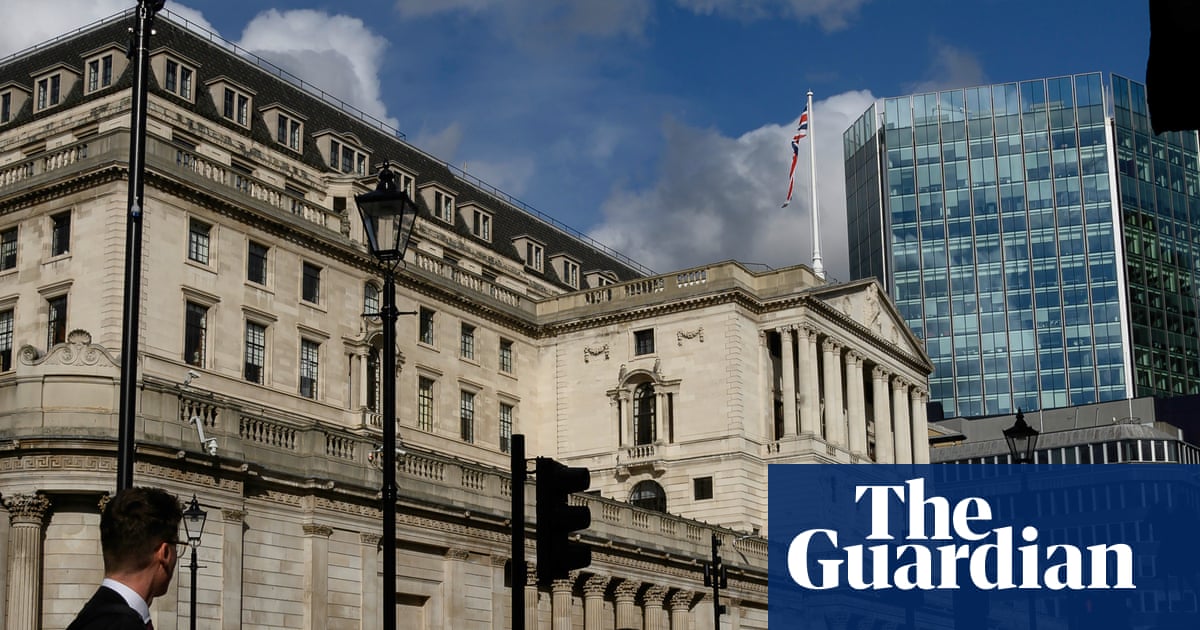
Bank of England chief economist Huw Pill has signalled that further interest rate increases are likely in December and early 2027 as Britain faces renewed inflation pressure from energy costs. The Guardian Economics reported that Pill regarded this month’s rise from 3.75% to 4% as an important adjustment, but insufficient to complete the Bank’s response. Its next monetary policy decision is scheduled for 17 December.
In comments to the Financial Times cited by the Guardian, Pill said incoming evidence would probably justify additional increases to bring inflation back towards the 2% target. Inflation is expected to reach 5% next spring, with expensive oil and gas resulting from the Iran war driving the acceleration. Pill considered an end to the US-Israeli conflict with Iran, accompanied by lower energy prices, highly unlikely.
His concern is that the initial energy shock could spread through the economy as public and private sector employees seek larger pay settlements. Pill is among the Bank’s policymakers who believe stronger economic activity has increased workers’ bargaining power. The Guardian cited third-quarter growth of 0.7%, with Britain’s annual growth rate exceeded only by the US within the G7. However, the Bank has yet to see evidence of wage increases or businesses passing higher costs on to consumers.
Financial markets anticipate UK rates approaching 5% in 2027, an outlook Pill did not dismiss. His remarks also suggested he could support larger increases at forthcoming meetings. City analysts view increasingly restrictive signals from Pill and other policymakers as making a December rise almost certain, according to the Guardian. Others question the economy’s resilience, warning that higher borrowing costs could damage manufacturing and construction, which has shrunk for much of the year.
Households face several pressures alongside more expensive credit. An estimated 2.3 million homeowners must refinance mortgages next year. The energy price cap is expected to approach £2,000 for a typical household, while council tax bills are forecast to rise by almost 5% on average, potentially prompting consumers to reduce spending.