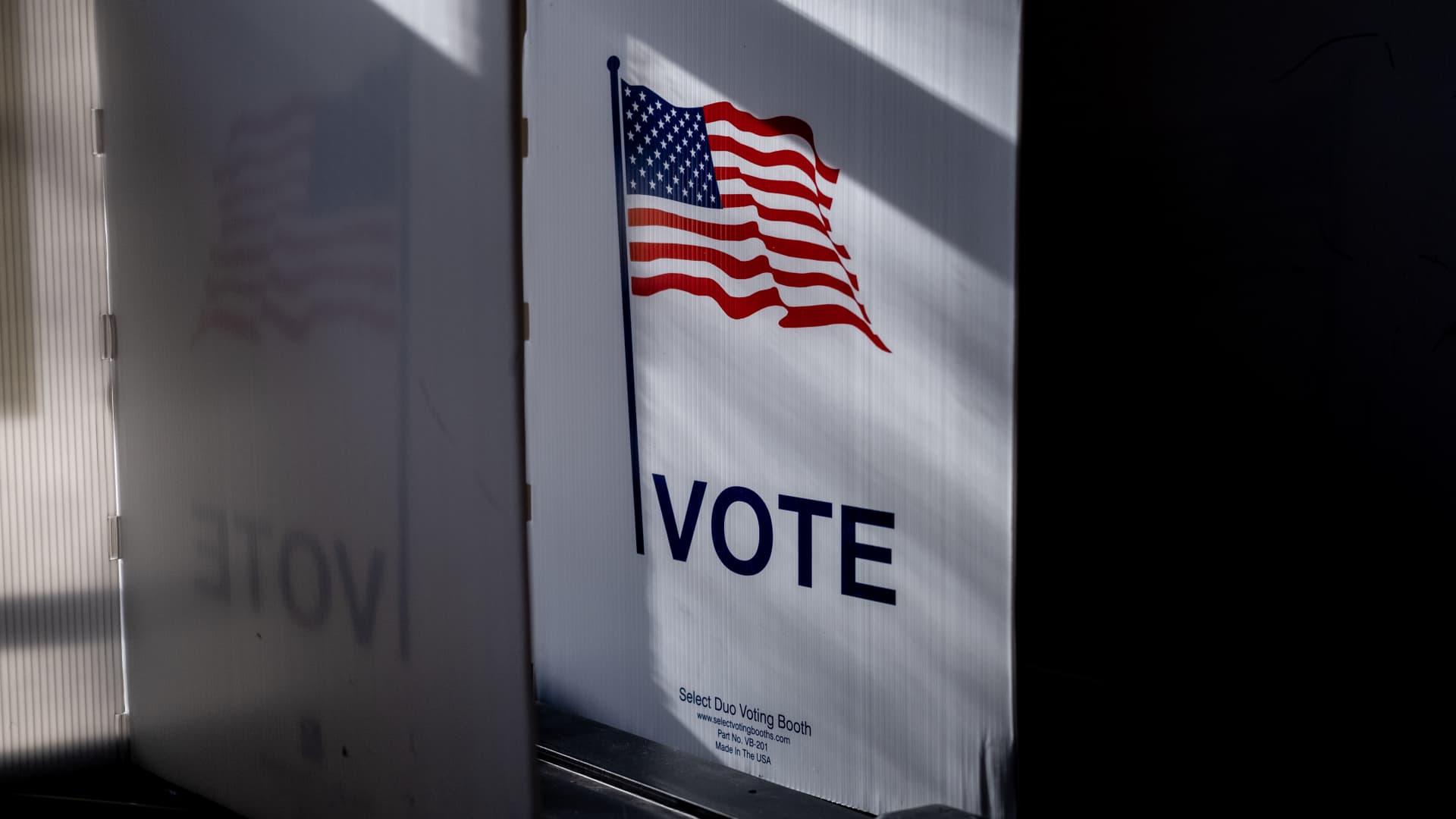
Disruption to global crude trade from the Iran war helped drive US fuel prices sharply higher ahead of a midterm election that cost Republicans control of Congress, CNBC Economy reported. Democrats won both the House of Representatives and the Senate as voters expressed widespread dissatisfaction with living costs and President Donald Trump’s economic policies.
US motorists paid an average of about $4.15 a gallon for petrol on Tuesday, according to AAA figures cited by CNBC Economy. That was the highest price on a presidential or midterm election day since at least 2000. Petrol prices had risen about 37% over the previous year as the Middle East conflict severely disrupted crude trading. Diesel prices also reached records, with the Bureau of Labor Statistics reporting that higher diesel costs lifted prices across numerous goods in its latest producer price index release.
The household burden extended beyond filling up vehicles. Moody’s Analytics chief economist Mark Zandi estimated that higher petrol and other energy prices had cost the average American household nearly $1,230 since the Iran war began. His analysis put additional costs associated with rising borrowing costs and expanded military services at more than $900 per household. Consumer inflation accelerated again during the conflict, while recent price increases exceeded wage growth, eroding purchasing power.
Nearly nine in 10 respondents to the CNBC Voter Poll identified living costs as a major or crucial influence on their congressional vote. Three-quarters assessed the economy negatively, and fewer than one in five said their family finances had improved over two years. Nearly three-quarters also identified the Iran war as a major or crucial voting consideration. The poll drew on about 100,000 interviews and had a margin of error of 0.6%.
Trade policy was another source of discontent. Some 64% of poll respondents said Trump’s tariffs had damaged their local economy, against 14% who said they had helped. CNBC Economy cited New York Federal Reserve researchers as finding that several consumer prices would have declined without the tariffs, many of which were subsequently struck down by the Supreme Court. Voters now favoured Democrats over Republicans on economic management, reversing the advantage Trump held over Kamala Harris in 2024.