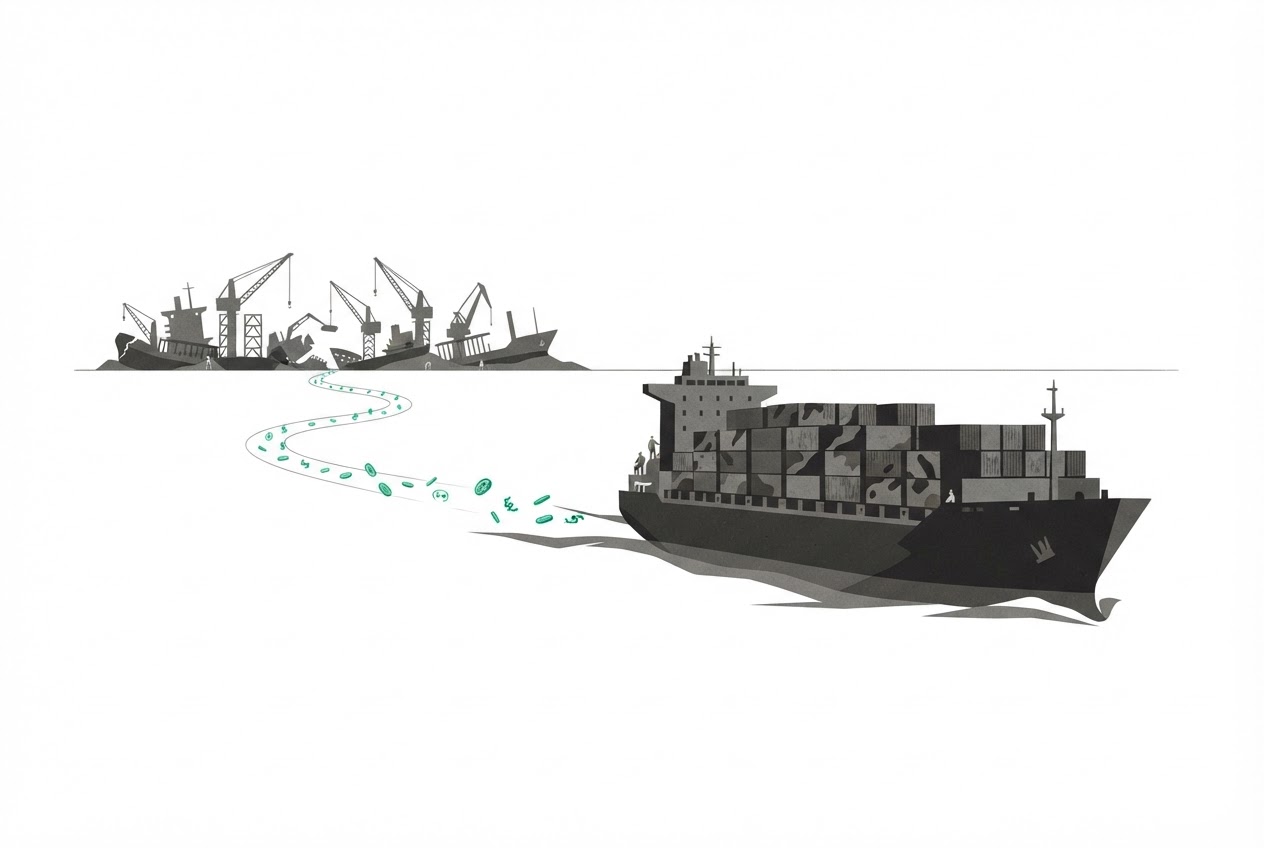
Ship recycling yards struggled to secure fresh vessels in the third quarter of 2026 despite rising offers, as strong freight earnings encouraged owners to keep ageing ships operating. Hellenic Shipping News reported that demand across major recycling destinations outstripped owners’ willingness to sell, frustrating expectations that easing disruption in the Gulf would release more tonnage for dismantling.
At the start of July, GMS was monitoring an estimated 550 merchant vessels preparing to leave the Gulf, including about 200 bulk carriers. Some were expected to enter recycling markets as trading conditions normalised. Instead, healthy dry freight, stronger tanker earnings and opportunities for second-hand sales preserved alternatives to scrapping. The Baltic Dry Index reached 3,488 in early September, its highest since October 2021, according to the report.
Recycling prices nevertheless advanced substantially. GMS indications for Week 27 put Bangladesh’s dry bulk values at $458–463 per light displacement tonne and tanker values at $478–483. By Week 39, Pakistan led the subcontinent at approximately $510 for bulkers and $530 for tankers, followed by Bangladesh at $500 and $520 respectively. Pakistan’s prices had eased from earlier peaks as previously bought vessels arrived and buyers covered some immediate requirements.
In Bangladesh, heavy rain and flooding disrupted operations and beaching around Chattogram. Activity improved as delayed vessels moved through beaching windows from late July, leaving the waterfront busier through September. However, Hellenic Shipping News distinguished those deliveries from new business: arrivals reflected earlier purchases, while buyers continued to struggle to replenish their pipeline with fresh deals.
India presented a more differentiated market. Alang generally offered less than Pakistan and Bangladesh for conventional bulkers and tankers, but specialist vessels, non-ferrous materials and compliance requirements supported a separate segment. Two Indian facilities were proposed for the European List of Ship Recycling Facilities, although their inclusion remained pending at quarter-end. Turkey also competed in a distinct segment, relying more on geography, European regulatory access and specialist business than on matching South Asian prices.
The report said sanctions exposure, ownership records, registries and previous trading activity also influenced which transactions could proceed. Its central assessment was that higher recycling offers alone could not guarantee supply: owners weighed those offers against continued employment, resale prospects and the practical requirements of completing a recycling sale.