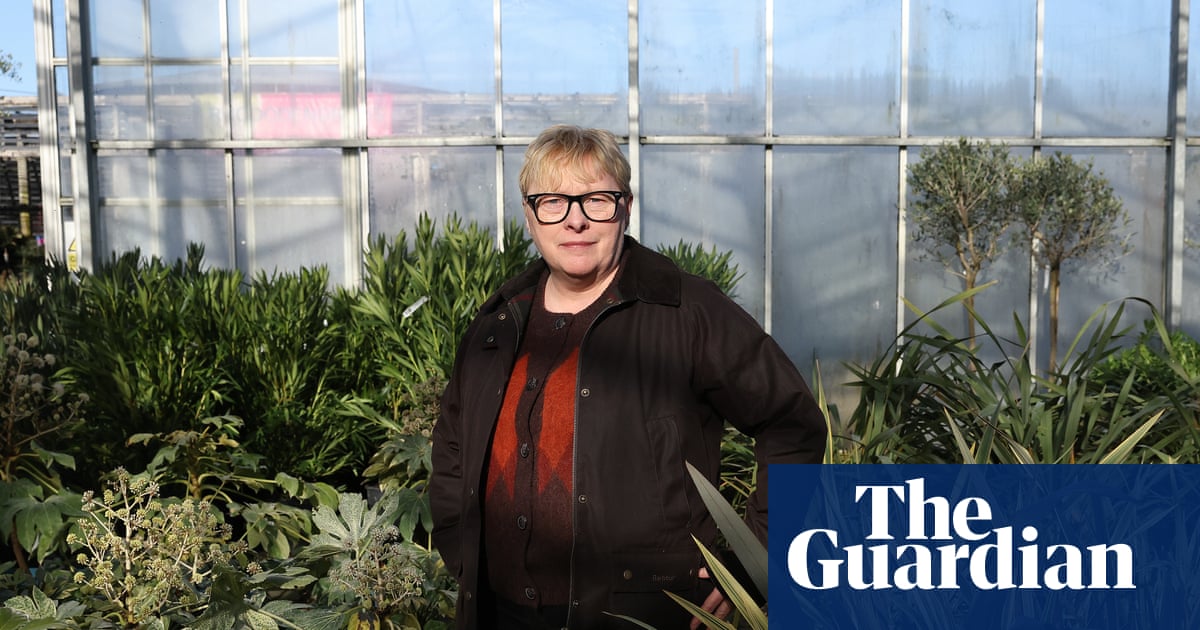
A planned UK-EU agreement could eliminate £60m in annual border-related costs for the horticulture industry, environment secretary Angela Eagle told The Guardian Economics. The deal is due to be signed at the 20 November summit, although businesses are not expected to benefit from its implementation until the first quarter of 2028.
The sanitary and phytosanitary agreement, largely settled in May, would remove most physical inspections and associated certification requirements for trade in food, plants and animal products. Eagle said this would make imports and exports easier and more predictable. She suggested the savings could help restrain food prices, but stopped short of promising that UK shoppers would pay less.
The £60m estimate comes from the Horticultural Trades Association (HTA), according to The Guardian Economics. It covers plant health inspections, certificates, document and identity checks, port and agents’ fees, and additional staffing and transport costs. It excludes penalties for late deliveries and revenue lost through delays at ports or damaged goods. The changes would not reimburse companies for investments already made to meet post-Brexit requirements.
Provender Nurseries in Swanley, Kent, has spent at least £500,000 creating an inspection facility that will become redundant under the new arrangements. Managing director Richard McKenna said the wholesaler built an enclosed structure and bought four electric forklifts to avoid delays and damage associated with inspections at government border posts. He welcomed the prospective agreement and hoped European suppliers discouraged by the existing requirements would resume deliveries, while stressing that the details still needed scrutiny.
With existing controls set to remain for more than another year, HTA chief executive Fran Barnes called for interim relief, including reduced or suspended inspections of lower-risk imports. Eagle acknowledged that implementation would come later than the mid-2027 goal announced by former prime minister Keir Starmer. She attributed a pause in negotiations to his replacement by Andy Burnham, with the summit consequently moving from July to November.
Outstanding complexities include Britain’s continued use of some pesticides and fungicides prohibited in the EU. Producers fear potatoes treated in 2027 could become unusable for frozen chips sold after implementation. Eagle said both sides recognised the food-waste concerns. Exporters of products including seed potatoes and some mussels also hope the agreement will reopen trade interrupted by Brexit.