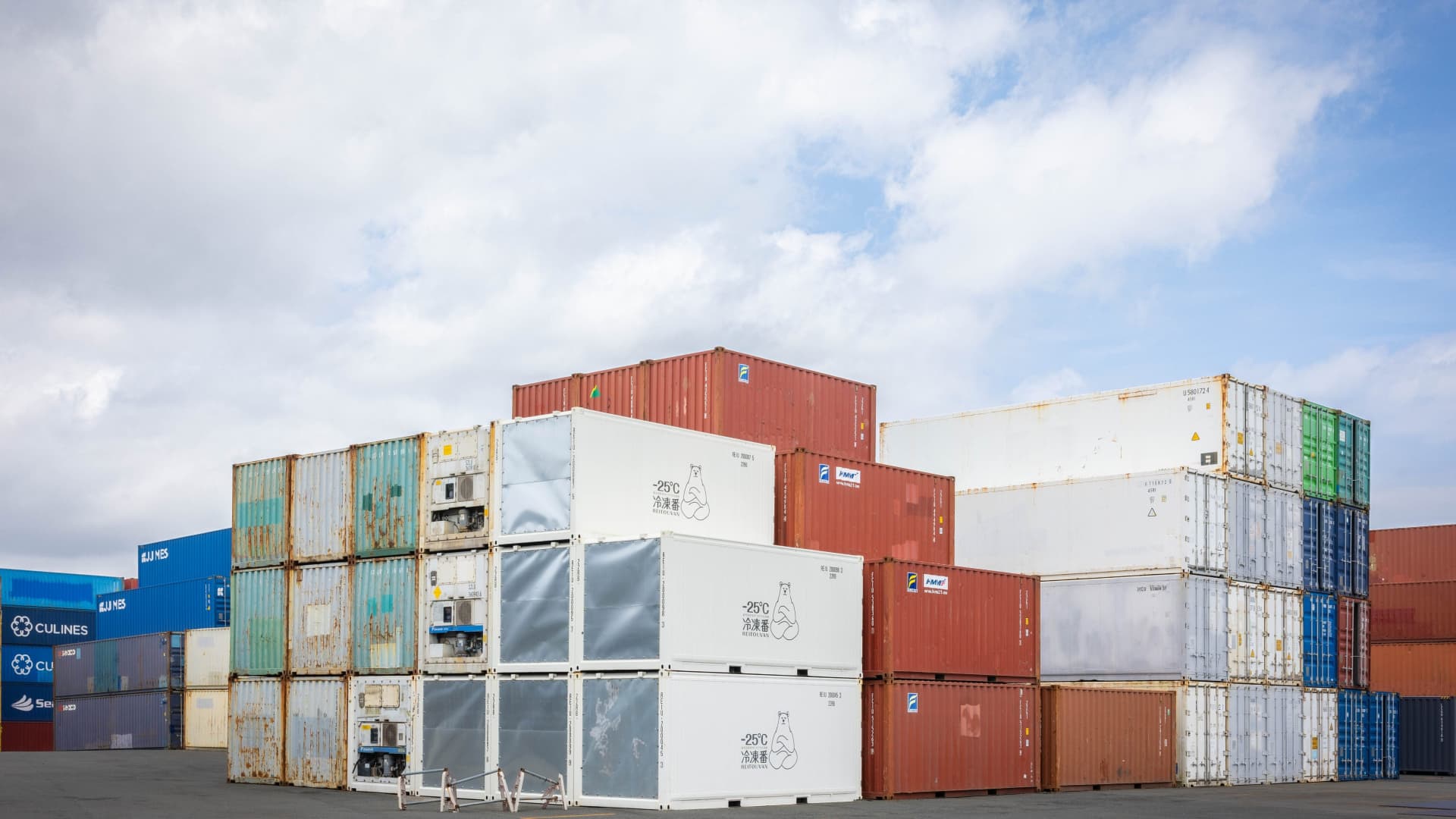
Japan’s economy unexpectedly shrank in the third quarter as elevated energy prices put pressure on consumption and increased the cost of imports, CNBC Economy reported. Output contracted at an annualised rate of 0.1% from the previous quarter, against expectations of 0.3% growth in a Reuters poll of economists. The economy had expanded by 1.4% in the preceding quarter.
The trade figures highlighted the burden of energy purchases despite stronger-than-expected exports in two of the quarter’s three months. Higher energy import costs meant net exports subtracted 0.6 percentage points from growth, according to CNBC Economy. Household energy subsidies reportedly expired in September, leaving consumers more exposed to higher prices linked to the Iran war.
The weaker output reading adds uncertainty to Japan’s monetary policy normalisation, although market expectations continued to favour a December rate increase. LSEG data cited by CNBC Economy put the probability of a 25-basis-point rise by the Bank of Japan at 75.6%. Krishna Bhimavarapu, APAC economist at State Street Investment Management, argued that the GDP figures did not provide clear support for such a move.
Bhimavarapu highlighted a 2.1% annualised decline in real final sales of domestic product, a measure of underlying demand that excludes private inventories from GDP growth. He described the fall as the largest outside the Covid-19 pandemic and the first quarter of 2022, interpreting it as evidence of weakening momentum.
Marcel Thieliant, head of Asia Pacific at Capital Economics, nevertheless continued to expect a rate increase, arguing that an approaching inflation surge could require more aggressive tightening than previously anticipated. At its meeting last month, the Bank of Japan said its 2% underlying inflation target had been achieved for the first time in 13 years. September core inflation reached 2.1%, its highest reading this year and above analysts’ forecasts.
Compared with a year earlier, the economy grew 1.1%, its strongest performance since the second quarter of 2025. Thieliant attributed that result to a lower comparison base. After the release, the Nikkei 225 fell 0.62%, the benchmark 10-year Japanese government bond yield stood at 2.885%, and the yen weakened slightly to 159.76 against the dollar.