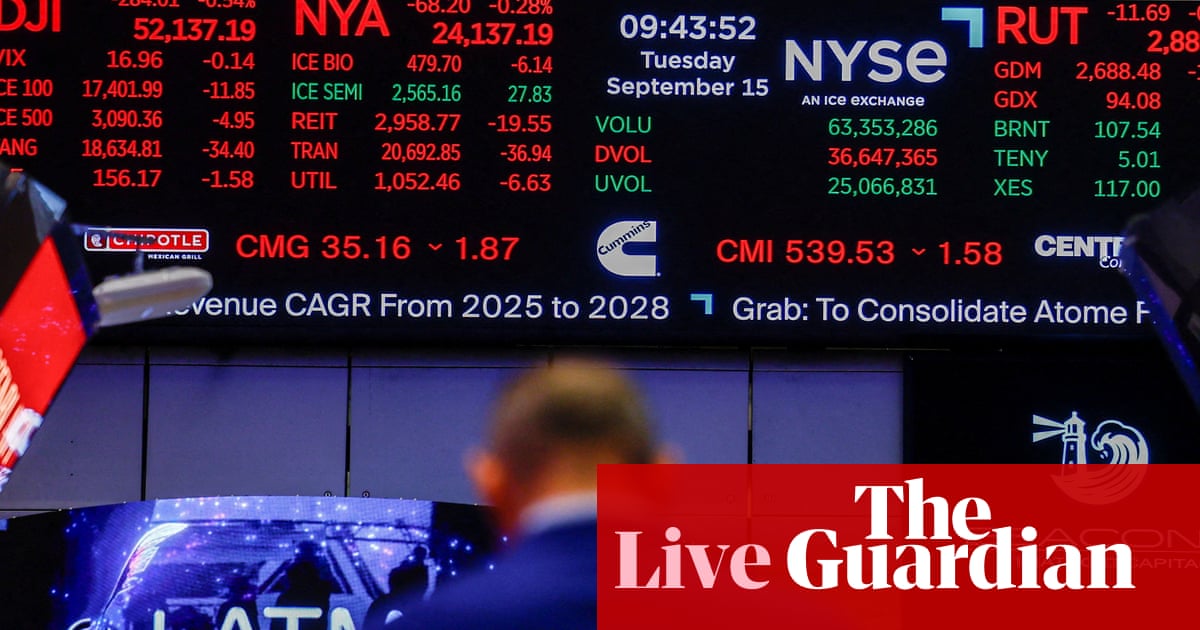
The Bank of England is increasingly likely to raise interest rates if energy prices stay elevated without clear signs of easing inflation or weaker economic activity, deputy governor Clare Lombardelli has warned. The Guardian Economics reported that Brent crude was trading above $103 a barrel as policymakers assessed the inflationary consequences of the Middle East conflict.
Speaking at a macroeconomic policy conference in Warsaw, Lombardelli said the energy shock was likely to lift UK inflation further in the months ahead. Businesses had coped with higher energy bills better than the Bank anticipated, she said. However, a prolonged period of expensive and volatile energy would increase the danger of those costs spreading into domestic wages and prices.
Her concern centred on whether the initial shock would trigger more persistent inflation through wage negotiations, business pricing decisions and changing expectations. She stressed that a rate increase should not follow automatically from movements in energy markets: the decision would depend on how higher costs interacted with the underlying economy. Both the scale and duration of the shock remained substantially uncertain.
Lombardelli was among six policymakers who voted last week to keep Bank Rate at 3.75%, against three who favoured an increase. She also identified other potential sources of price pressure, including strong demand for artificial intelligence components, which was already lifting global export prices, and weather-related disruption. Trade diversion, by contrast, was helping to restrain inflation.
Fellow policymaker Swati Dhingra, who also supported holding rates, offered a more cautious assessment of the risk of an inflationary spiral. According to The Guardian Economics, she told a separate conference that Britain was not seeing the widespread price increases experienced in 2022 and highlighted weakness in the labour market. Winter energy pricing and further evidence on wage settlements would provide a clearer picture of the Iran war’s inflationary effects, she said.
The policy debate came as UK government borrowing costs climbed. The Guardian Economics reported that yields on both 10-year and 30-year government bonds had risen by about five basis points, approaching the multi-year peaks reached earlier in the month.