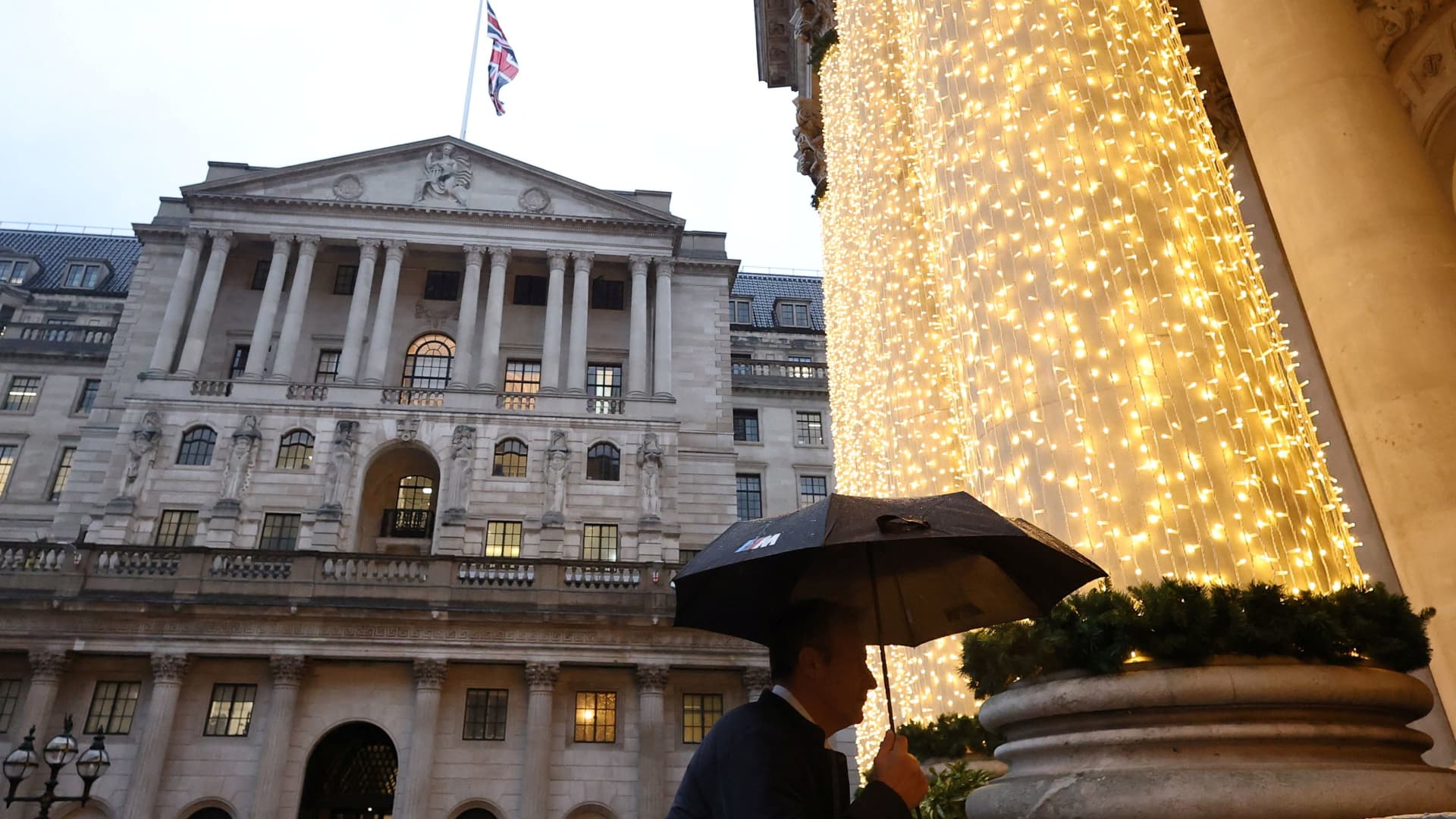
UK annual inflation climbed to 3.5% in September as motor fuel costs surged, strengthening expectations of a Bank of England interest rate increase next month. CNBC Economy reported that the reading exceeded the 3.4% forecast in a Reuters poll of economists and was the highest in almost a year. Inflation had stood at 3.1% in August and 2.9% in July.
Motor fuel prices rose by 29.8% over the year to September, according to Office for National Statistics figures released on Wednesday. The agency said fuel inflation was at its highest since August 2022, when prices had jumped following Russia’s full-scale invasion of Ukraine. CNBC Economy noted that Britain’s reliance on net energy imports leaves it exposed to overseas supply shocks, including the US-Iran war and the resulting difficulties moving oil through the Strait of Hormuz.
Market expectations strongly favoured tighter monetary policy. LSEG data cited by CNBC Economy showed a 98% probability of a quarter-percentage-point increase in the Bank’s key rate to 4% next month. Most traders were also anticipating another increase of the same size in December. Despite the inflation surprise, sterling was broadly unchanged against the euro and US dollar, while UK government bond yields showed little movement.
Scott Gardner, investment strategist at J.P. Morgan Personal Investing, said the recent inflation increases had reversed progress made in the spring. He warned that accelerating services inflation could indicate price pressures spreading beyond energy, while the prolonged conflict was weighing on the economy and strengthening the argument for higher rates.
The figures also add pressure on Chancellor John Healey ahead of his first Autumn Budget next week. Separate data released on Wednesday estimated that national debt exceeded £3 trillion in September for the first time, alongside sharply higher debt-servicing costs and weak growth. Healey pledged to preserve fiscal discipline while supporting growth and easing pressures on businesses and households. Suren Thiru, chief economist at the Institute of Chartered Accountants in England and Wales, said rising prices were increasing demands for household support while higher borrowing costs restricted the Chancellor’s options.