UK inflation climbed to 3.5% in September as rising fuel prices intensified pressure on households and government finances ahead of John Healey’s budget. The Guardian Economics reported that annual consumer price inflation increased from 3.1% in August, exceeding City expectations of 3.4%, while the monthly government deficit reached a worse-than-forecast £24.5bn.
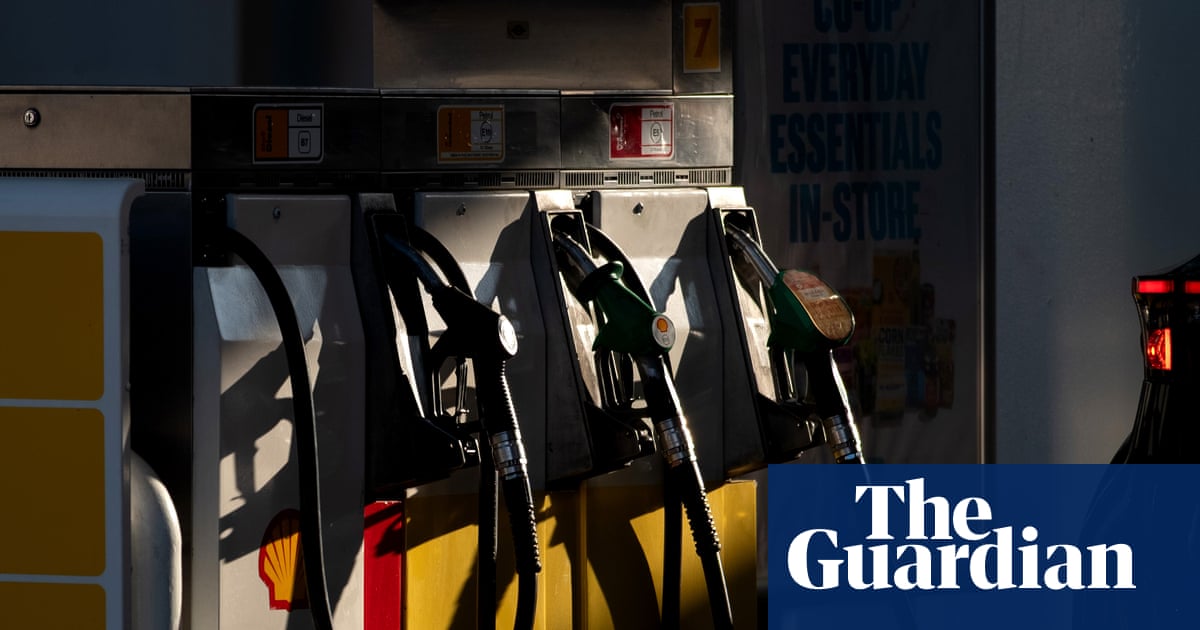
The energy shock follows the US and Israel’s war on Iran, which began in February and restricted fuel movements through the strait of Hormuz. Oil and gas prices have risen sharply since then. According to Office for National Statistics figures cited by the Guardian, motor fuels were the biggest contributor to September’s inflation increase. Average petrol prices rose by 8.2p a litre during the month, while diesel increased by 10.7p. Both had declined in the corresponding month of 2025.
Fuel costs also affected air fares, which fell less sharply than usual after the summer peak. There were some offsets elsewhere: clothing prices edged down, while annual food price growth held at 1.3%, with supermarket competition countering higher transport costs. However, Charlotte O’Leary of the National Institute of Economic and Social Research warned that fuel and transport pressures were likely to feed through to food prices over winter. She said inflation could reach 4% by early 2027, alongside January’s energy price cap increase.
The government’s interest bill reached £10.9bn in September, a record for that month and only the eighth monthly total above £10bn. The ONS attributed £4bn of September’s debt interest costs to higher inflation, which raises payments on inflation-linked bonds. Borrowing for the financial year to date stood at £97.8bn, down £4.4bn from a year earlier but £6bn above the Office for Budget Responsibility’s forecast. Total government debt was estimated to have reached £3tn, although its share of economic output fell to 94% from 95% a year earlier.
The inflation figures also strengthen expectations of a Bank of England rate increase from the current 3.7% when policymakers meet in November, the Guardian reported. Martin Beck, chief economist at WPI, regarded an increase as almost inevitable but cautioned against repeated tightening, arguing that higher rates cannot expand oil or gas supplies and could further weaken the economy. September’s inflation reading will also mean larger-than-expected increases in most working-age benefits and inflation-linked business rates in England.