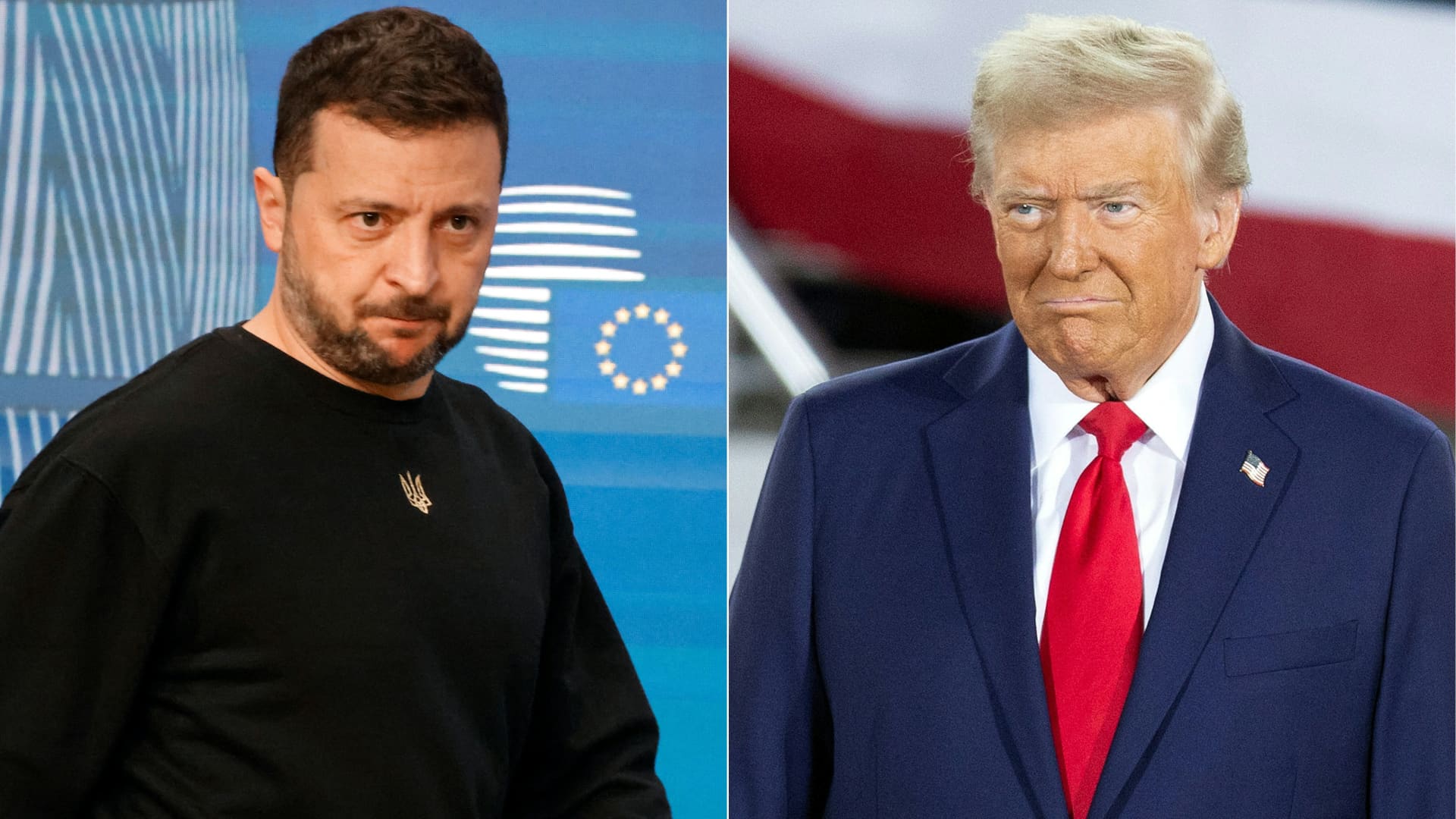
US President Donald Trump has waived two major tariff provisions in newly enacted Russia sanctions legislation before they were due to take effect, CNBC World Economy reported. The decision removes requirements for higher duties on Russian imports and tariffs on leading buyers of Russian oil and gas, prompting criticism from Ukrainian President Volodymyr Zelenskyy.
An executive order signed late Friday cited US national interests as the basis for the waiver. The legislation required duties on all Russian goods entering the United States to rise by up to 500% within 30 days of enactment. It also called for tariffs of up to 100% on countries among the five largest purchasers of Russian crude or gas, including China and India. The order came two days before the implementation deadline and retained sanctions imposed under earlier executive orders.
The House approved the Lindsey O. Graham Sanctioning Russia and Iran Act of 2026 on 16 September, and Trump signed it two days later. Named after its principal supporter, the late Republican senator Lindsey Graham, the measure sought to put economic pressure on Russia over its full-scale invasion of Ukraine. It also provided for potential sanctions against Russian leaders, officials and financial institutions, alongside broader measures against Iran.
The tariff waiver follows a separate decision a week earlier to suspend sanctions on Russian diesel exports through April 2027. According to CNBC World Economy, that temporary relief was intended to alleviate a supply shortage caused by the war in Iran. Oil export receipts are an important source of funding for Russia’s war effort, while high fuel prices are politically sensitive ahead of the 3 November US midterm elections. Republicans hold slim majorities in both congressional chambers.
Zelenskyy argued on X on Saturday that the latest decision benefited Russia and predicted further sanctions relief. Democratic Senator Richard Blumenthal, who also helped draft the legislation, criticised the waiver. By contrast, Kirill Dmitriev, Russian President Vladimir Putin’s economic envoy, welcomed the suspension and said economic discussions and peace efforts between Washington and Moscow would continue.