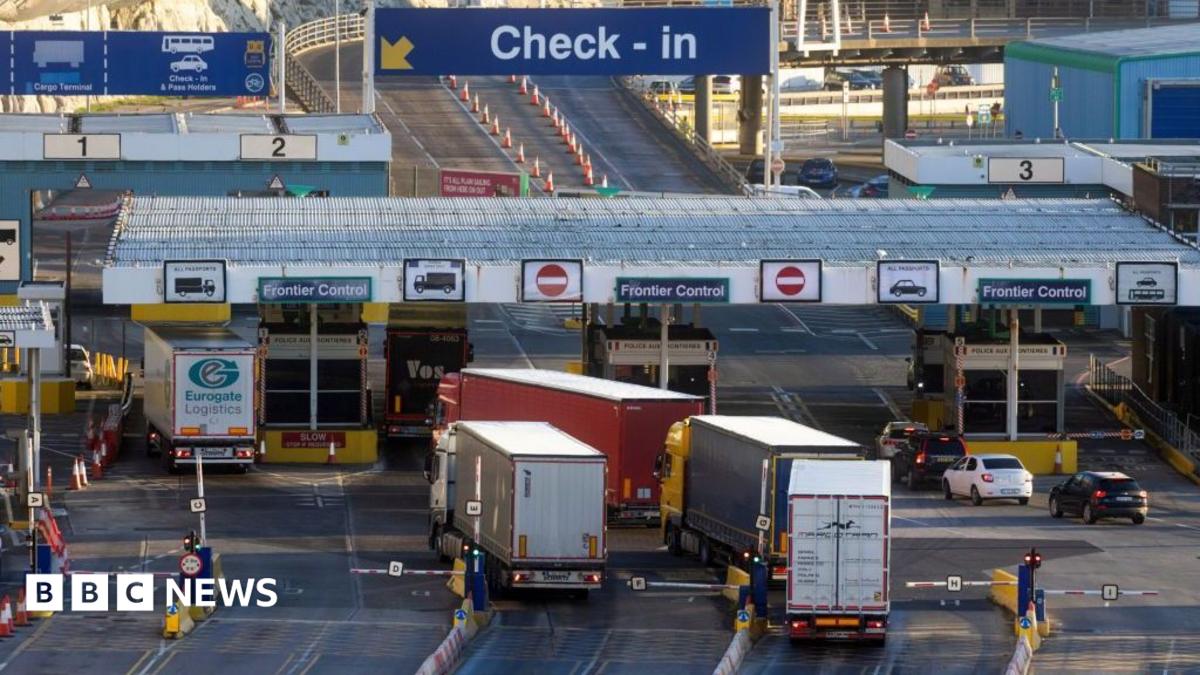
The UK and EU have reached a draft agreement to remove post-Brexit checks on food and agricultural trade ahead of their summit later this month, BBC Business reported. The proposed sanitary and phytosanitary agreement would reduce paperwork introduced after Britain left the EU single market, while requiring the UK to follow relevant EU standards.
According to the BBC, the 200-page text has been distributed to EU member states for discussion by ambassadors on Wednesday. Draft agreements covering emissions trading and a youth travel and work programme have also been circulated, together with a proposed joint statement for leaders. Some details of the youth scheme still require political agreement.
The food agreement is expected to eliminate requirements for export health certificates costing £200 and phytosanitary certificates costing £25. It would also remove inspection charges, organic certification requirements, sampling costs and some port fees on trade with the EU. The government estimates that the arrangement will eventually generate annual benefits of £5.1bn for the UK economy, the BBC reported.
Exports to the EU of fresh sausages, burgers, shellfish from UK waters and seed potatoes would be permitted again. The agreement would also provide for passports for UK pets travelling to the bloc. In return, Britain would observe existing EU plant, animal and food trade rules and adapt to subsequent changes through a process known as dynamic alignment. Transition arrangements have been agreed for precision breeding of plants, an area where England’s rules have diverged.
The government’s announced European Partnerships Bill would establish a legal route for applying new EU regulations. It would also enable the alignment needed to connect the UK and EU emissions trading systems, allowing UK exporters to avoid the EU’s new carbon border tax. Plans to reconnect electricity markets are likely to be deferred until next year, according to the report.
Supermarkets and farming representatives have supported the food proposals, while some Brexit campaigners oppose renewed application of EU rules. Separately, the British Chamber of Commerce has urged ministers to assess broader options for closer ties. In its survey, 56% of exporting businesses wanted EU customs paperwork and delays removed to support growth, rising to 58% among manufacturers.