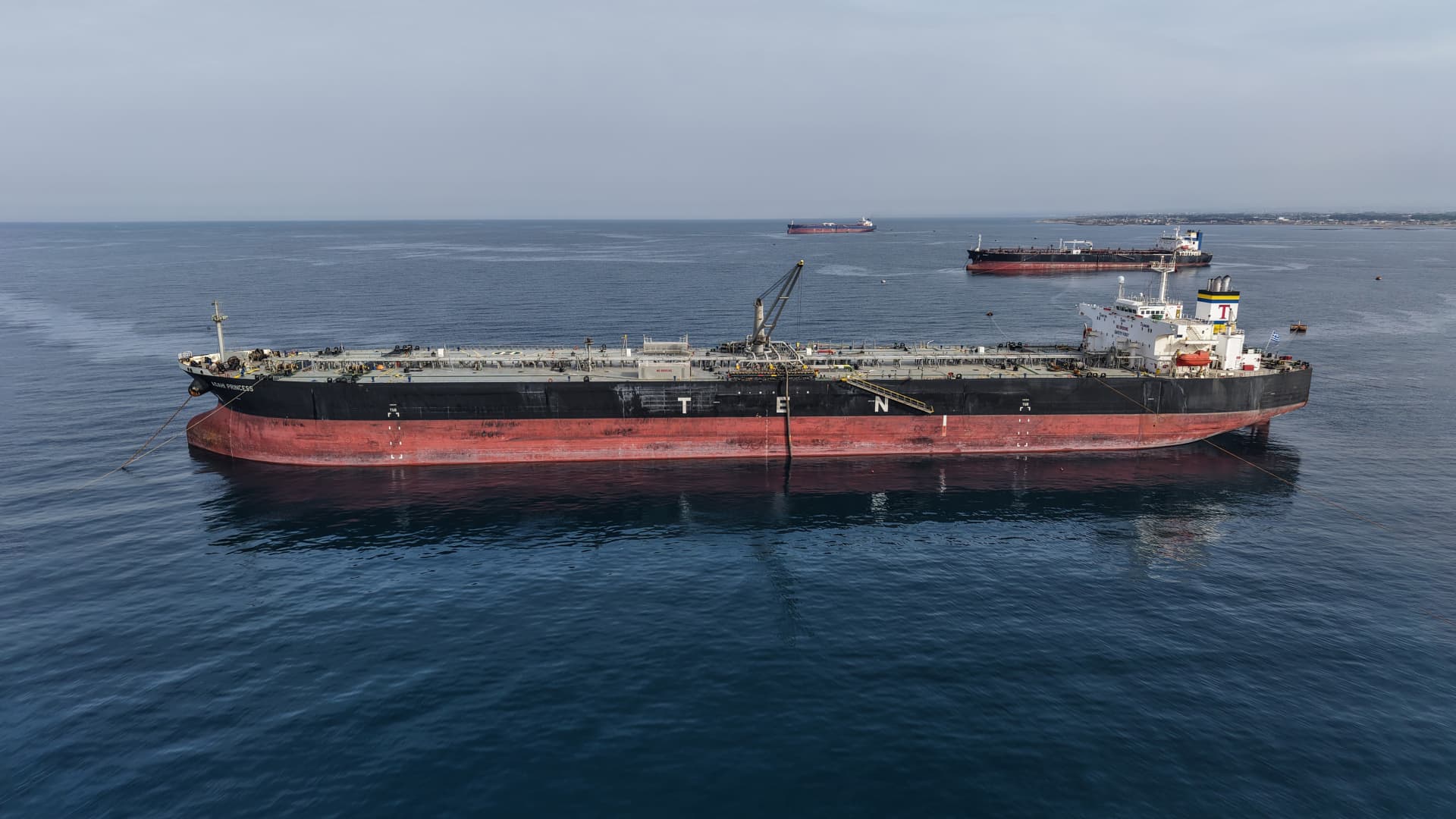
Oil prices climbed in Asian trading on Monday after US President Donald Trump rejected an Iranian proposal intended to end the Middle East conflict and reopen the Strait of Hormuz. CNBC World Economy reported that Brent, the international benchmark, rose 2.65% to $106.96 a barrel, while US crude futures for November delivery gained 1.69% to $94.10.
The rejected offer linked the reopening of the key shipping passage to Washington accepting conditions set by Tehran. Iranian Foreign Minister Abbas Araghchi had outlined the proposal on Friday, saying Iran would reopen the strait and return to nuclear negotiations with the United States within seven days if those conditions were satisfied.
Speaking to reporters on the sidelines of the United Nations General Assembly in New York, Araghchi presented the reopening and renewed talks as conditional steps rather than an unconditional commitment. According to Iranian foreign ministry spokesman Esmaeil Baghaei, Tehran's demands included a halt to US actions it characterises as aggression, an end to the naval blockade and economic warfare, and the release of Iranian assets.
Trump subsequently told reporters that he had turned down Tehran's latest proposal. CNBC also cited a Saturday report by The Wall Street Journal, which, drawing on unnamed US officials, said Trump had told aides he expected American strikes on Iran to restart after November's midterm elections. That reported expectation was separate from his public confirmation that he had rejected the offer.
The diplomatic setback came alongside a further regional security development: Yemen's Saudi-led coalition said on Saturday that it had intercepted projectiles fired by Iran-backed Houthi rebels. Earlier in September, Trump had said he expected the conflict to end soon after the midterm elections and oil prices to fall afterwards. The conflict began with US and Israeli airstrikes on Iran on 28 February, according to CNBC's account.