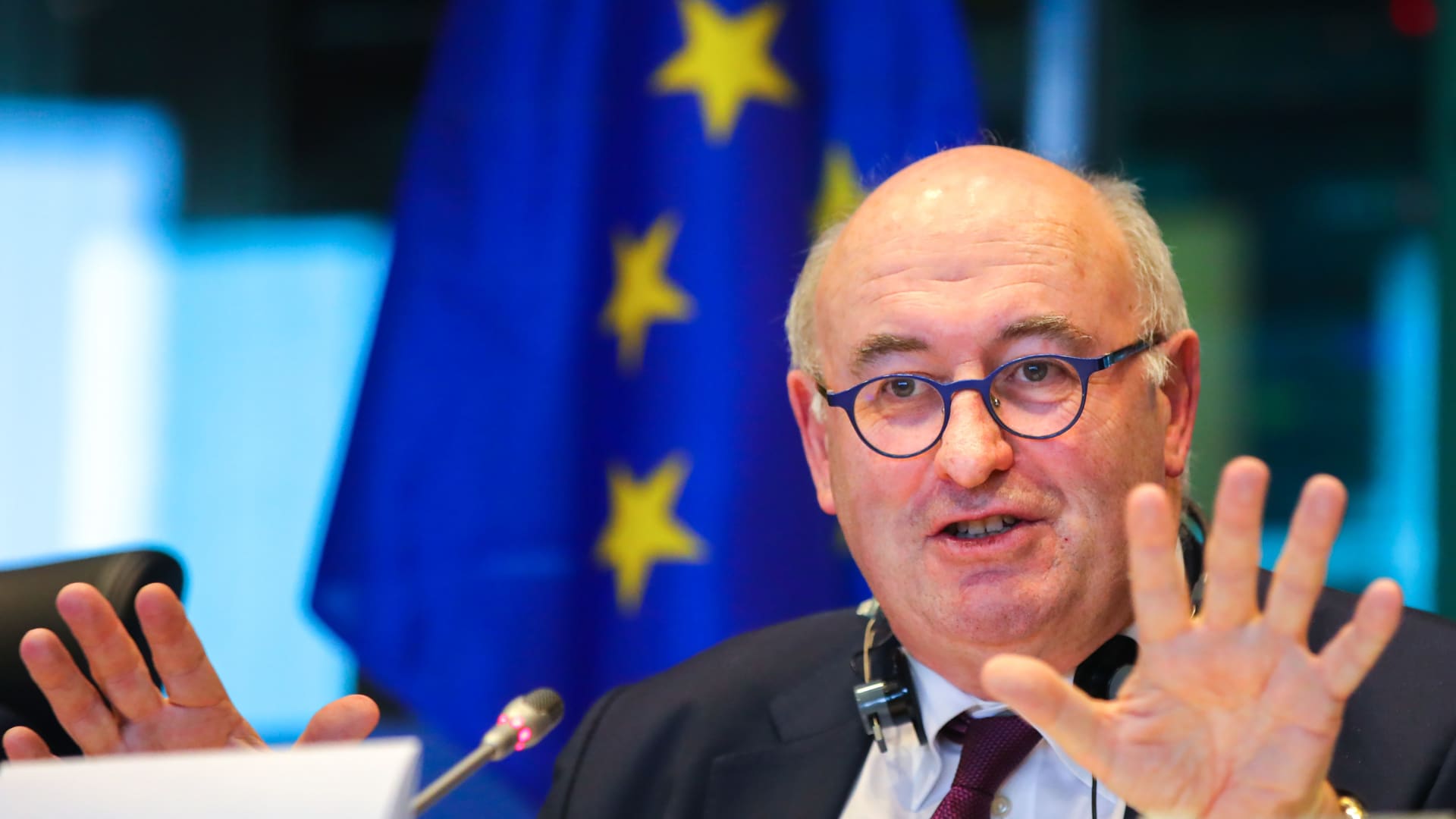
Cuts to US foreign assistance are weakening the world's ability to anticipate and respond to food shortages as conflicts disrupt key commodity routes, CNBC Economy reported. Phil Hogan, the former European Union agriculture and trade commissioner seeking to lead the UN Food and Agriculture Organization, said other member countries would need to replace funding as Washington retreats from some programmes.
Speaking to CNBC in Singapore, Hogan said financial support was essential to preserving work on animal diseases and food safety. The Trump administration has dismantled USAID, previously the largest humanitarian donor globally. Cornell University agricultural economist Chris Barrett said reductions by the US and other donors were straining UN bodies, humanitarian organisations and researchers, reducing early-warning monitoring and assistance for poorer households facing sudden food price increases.
Those pressures coincide with disruption around the Strait of Hormuz, where the Middle East conflict has brought fertiliser and energy export flows close to a standstill. The FAO has warned that poorer countries are particularly vulnerable to delayed commodity deliveries, which could depress production, increase inflation and weaken global growth. Russia's prolonged war in Ukraine has also obstructed Black Sea wheat trade. Hogan warned that these conflicts, compounded by El Niño, could contribute to severe food emergencies in 2027.
The scale of existing need is substantial. According to World Health Organization and UN World Food Programme figures cited by CNBC Economy, more than a quarter of people worldwide experienced moderate or severe food insecurity in 2025, while over 266 million face acute hunger this year. International Crisis Group analyst Chris Newton said climate shocks, conflict, fuel pressures, rising interest rates and donor cuts were eroding the capacity to foresee and tackle major crises.
Hogan said a tighter FAO budget would require greater efficiency and closer cooperation with other UN agencies. If elected, he would spend his first 100 days shifting staff from headquarters towards areas suffering severe food shortages. He also argued that the agency should have played a more prominent role in the now-suspended Black Sea Grain Initiative.
Not all analysts see an imminent global crisis. Ian Mitchell, a senior policy fellow at the Center for Global Development, told CNBC that even an exceptionally strong El Niño would leave conditions well short of that threshold. Grain inventories remain comparatively healthy, he said, and futures prices are not signalling a supply shortage.