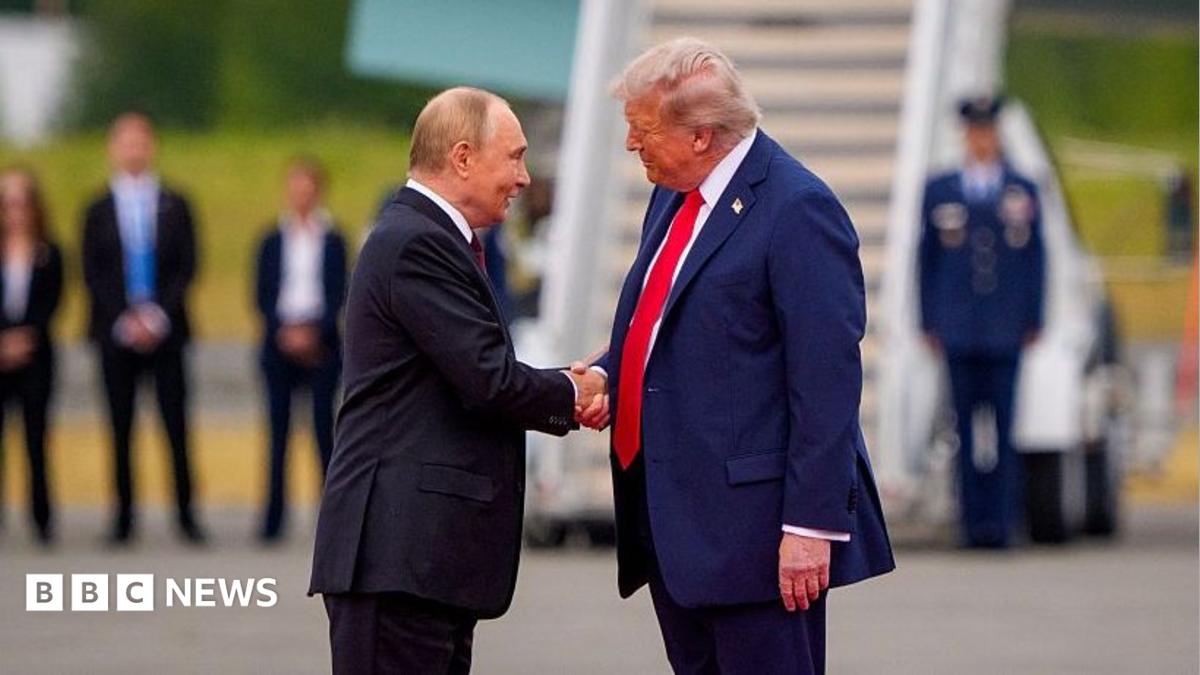
Donald Trump has announced an agreement to bring Russian diesel into US and global markets, drawing opposition from Ukraine and European allies over the revenue it could generate for Moscow. BBC Business reported that the US Treasury subsequently issued a temporary licence permitting Russian diesel supplies to enter the market.
Trump said Vladimir Putin had agreed to make 300,000 tonnes available immediately, followed by 500,000 tonnes in November and another million tonnes later. He also outlined a further three million tonnes, with delivery dependent on the condition of Russian refineries damaged by Ukrainian attacks. Putin confirmed Russia's willingness to supply oil and petroleum products but gave no volumes. The BBC said it understood sanctions on Russian diesel exports were being suspended until 7 April, while other assets, including those in American banks, remained frozen.
Ukrainian President Volodymyr Zelensky condemned the agreement as a benefit to Putin that would help prolong the war. EU foreign affairs chief Kaja Kallas argued that sanctions relief would increase Moscow's war revenues and said European foreign ministers intended to approve their largest sanctions package since Russia's full-scale invasion on Monday. The UK government said it would maintain sanctions pressure and continue supporting Ukraine.
Questions remain about both Russia's ability to deliver the fuel and its potential effect on US prices. According to International Energy Agency estimates cited by BBC Business, Russian diesel production has declined by nearly 30%. The country has also suffered two waves of severe fuel shortages this year following Ukrainian drone attacks on refineries, and had introduced a diesel export ban earlier in the year.
Tim Armitage, an investment strategist at Quilter Cheviot, told the BBC that the initial delivery represented roughly 2.25 million barrels, compared with daily US consumption of about 3.8 million barrels. He argued that this volume would not materially reduce pump prices. AAA figures cited in the report put average US diesel prices at $6.28 a gallon, below the record $6.53 reached at the end of September.
The announcement comes as Trump seeks to curb fuel costs before the midterm elections, following price increases linked to the Iran war. It also follows legislation he signed authorising sanctions and tariffs against countries importing Russian oil and gas. Delivery arrangements remain unclear, and the BBC said it had asked the White House what Russia would receive in return.